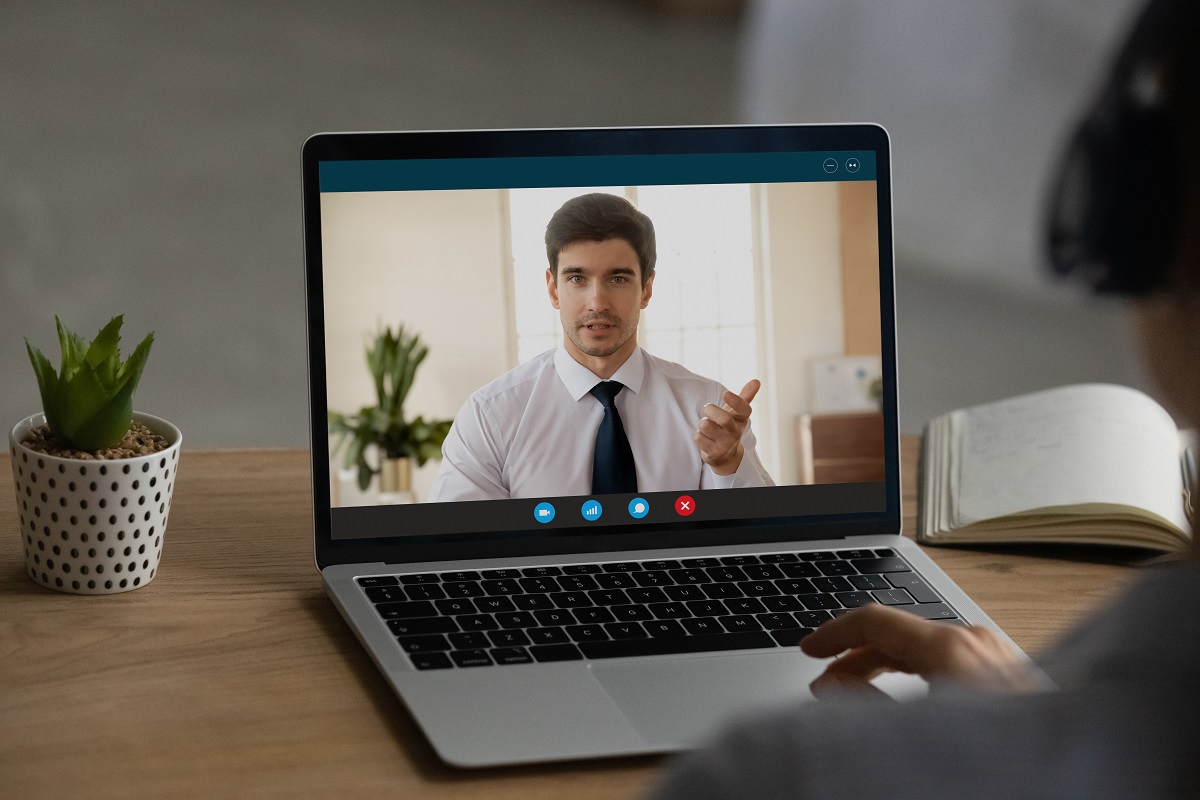

Parenting in today’s fast-paced world can be both rewarding and challenging. Many parents struggle with behavior management, communication gaps, and balancing discipline with support. This is where parenting coach training becomes a powerful tool. Parenting coach training equips professionals with the skills needed to guide families effectively, helping parents understand their children better and implement strategies that foster growth and emotional well-being. Unlike therapy, which often focuses on resolving past issues, coaching focuses on actionable strategies and real-time solutions, making it highly practical for parents navigating everyday challenges. Aspiring parenting coaches learn not only how to assist families but also how to create meaningful and lasting change in their lives. Training programs also emphasize self-awareness and personal growth, allowing coaches to model positive behaviors themselves.
Parenting coach training provides a structured framework for understanding the parent-child relationship. It goes beyond generic advice by equipping coaches with scientifically-backed methods for behavior management, communication, and emotional support. By developing these skills, coaches can identify patterns, create actionable plans, and guide parents through complex scenarios. Moreover, parenting coach training emphasizes understanding diverse family structures and cultural backgrounds, ensuring that coaching strategies are inclusive and adaptable. Professionals gain insights into developmental psychology, conflict resolution, and motivational techniques that are essential in guiding parents toward effective solutions. This training also prepares coaches to work with families facing unique challenges, such as blended households or children with special needs.
Key Skills Developed in Parenting Coach Training
Parenting coach training develops a wide range of skills that are essential for effective guidance. One of the most critical abilities is active listening, which allows coaches to fully understand a parent’s perspective and challenges. Emotional intelligence is another key skill, enabling coaches to respond empathetically and manage sensitive situations. Conflict resolution strategies are taught to help parents handle disagreements constructively and reduce tension within the family. Coaches also learn goal-setting techniques to help parents establish realistic expectations and track progress. Behavior modification strategies are introduced, giving coaches tools to support children in developing positive habits. Cultural sensitivity is emphasized, allowing coaches to navigate diverse family dynamics respectfully. Overall, these skills ensure that parenting coaches can create impactful change while maintaining professional integrity.
Types of Parenting Coach Training Programs
There are several types of parenting coach training programs available, designed to meet different needs and learning styles. Online courses offer flexibility, allowing individuals to complete modules at their own pace while balancing work and personal commitments. In-person programs provide hands-on experience and opportunities for real-time practice with mentors and peers. Short-term certification programs are ideal for professionals looking to gain essential skills quickly, while comprehensive programs offer in-depth knowledge and extended mentorship. Some programs specialize in areas such as toddler behavior, adolescent guidance, or parenting children with special needs. Accreditation from recognized professional organizations ensures that the training meets industry standards and is respected within the field. Choosing the right program depends on a combination of career goals, time availability, and the type of certification desired.
Steps to Becoming a Certified Parenting Coach
Becoming a certified parenting coach requires careful planning and commitment. Most programs recommend a background in psychology, education, or social work, although some accept individuals from other professional fields. Choosing the right training program involves evaluating curriculum, accreditation, and instructor expertise. Certification usually involves completing coursework, practical training hours, and passing an assessment or exam. Maintaining credentials may require ongoing education and participation in professional development activities. Certified coaches gain credibility in the field and can confidently offer guidance to families. With proper training, coaches are equipped to handle a variety of parenting scenarios, from common challenges to complex family issues.
Career Opportunities After Parenting Coach Training
Completing parenting coach training opens doors to diverse career paths. Many professionals start private coaching practices, offering one-on-one sessions tailored to specific family needs. Workshops and group coaching sessions provide opportunities to reach multiple parents simultaneously and build a larger network. Collaboration with schools, pediatricians, or family therapists allows coaches to offer complementary support and expand their reach. Online coaching has grown in popularity, enabling coaches to work remotely and connect with clients worldwide. Parenting coaches can also create digital content, courses, or books to further establish authority in the field. With continuous learning and networking, career growth in this field is both flexible and rewarding.
Benefits of Parenting Coach Training for Professionals and Families
Parenting coach training provides significant benefits for both professionals and families. For coaches, it enhances credibility and equips them with tools to provide tangible results for clients. Parents benefit from practical guidance that can improve communication, reduce conflicts, and foster healthy emotional development in children. Families experience improved relationships, better understanding of behavior, and actionable strategies for growth. Professionals in this field enjoy career flexibility, networking opportunities, and increased earning potential. Coaches also gain personal growth, learning how to manage challenging situations while modeling positive behaviors. With these advantages, parenting coach training represents a valuable investment for anyone seeking to make a meaningful impact in family well-being.
Common Challenges in Parenting Coach Training and How to Overcome Them
Parenting coach training can be demanding, and aspiring coaches may face several challenges. One common difficulty is navigating differing parenting philosophies and finding strategies that work for each family. Maintaining professional boundaries while demonstrating empathy can also be challenging. Coaches must stay current with evolving family dynamics, societal changes, and research in child development. Applying theoretical knowledge in practical scenarios requires patience, adaptability, and continuous learning. Networking with experienced professionals and seeking mentorship can help overcome these challenges. Developing self-care strategies ensures that coaches remain resilient and effective in their work. Ultimately, persistence, reflection, and ongoing education are essential to thriving in this field.
Cost and Time Investment for Parenting Coach Training
The cost and time commitment of parenting coach training can vary widely depending on the program type and depth. Online courses may be more affordable, while comprehensive in-person programs can involve higher tuition and additional expenses for materials or travel. Programs range from a few weeks to several months, depending on the curriculum and certification requirements. Many training centers offer scholarships, payment plans, or financial aid options to make programs accessible. It is important to consider the long-term value of the training, as certification can significantly enhance career opportunities. Prospective coaches should evaluate their goals, budget, and schedule to select a program that fits their needs.
Tools and Resources for Aspiring Parenting Coaches
Successful parenting coaches leverage a variety of tools and resources. Recommended books and online courses provide foundational knowledge and ongoing professional development. Workshops, webinars, and professional organizations allow coaches to network and exchange best practices. Digital tools such as client management software, scheduling apps, and virtual coaching platforms make it easier to work efficiently with clients. Continuing education ensures coaches remain current on trends, research, and innovative strategies. Peer support groups can provide guidance, encouragement, and accountability. With these tools, parenting coaches are better equipped to provide meaningful guidance to families.
Frequently Asked Questions
- What qualifications do I need to enroll in parenting coach training?
Most programs prefer a background in psychology, education, or social work, but many accept individuals from diverse professional fields. - How long does it take to become a certified parenting coach?
Certification programs can range from a few weeks for basic courses to several months for comprehensive programs, depending on the depth and hours required. - Can parenting coaches work remotely or only in-person?
Parenting coaches can work both remotely and in-person. Many professionals offer virtual coaching sessions to reach clients worldwide. - What is the difference between a parenting coach and a family therapist?
Parenting coaches focus on practical strategies and goal-setting, while therapists often address emotional or psychological challenges. - How much can I earn as a certified parenting coach?
Earnings vary based on experience, location, and service offerings, but certified coaches can earn a significant income, especially with private practice or online services. - Are parenting coaching certifications recognized internationally?
Many programs are recognized internationally, but it is essential to verify accreditation and acceptance in your target region. - Can I specialize in certain areas of parenting coaching, like teens or special needs children?
Yes, many programs offer specialization options to focus on areas such as adolescent behavior, special needs, or blended families.
Takeaway
Parenting coach training provides a structured pathway for professionals to guide families toward stronger relationships and healthier dynamics. By developing essential skills, obtaining certification, and utilizing available resources, coaches can make a meaningful impact in the lives of parents and children. The career offers flexibility, personal growth, and the opportunity to support families through challenging and rewarding experiences. Whether working in-person, online, or through workshops, the knowledge gained through parenting coach training equips professionals to transform challenges into opportunities for growth and empowerment. Aspiring coaches who commit to this path can enjoy a fulfilling career while helping families thrive.