
Why Remote High Ticket Closing Jobs Are Gaining Massive Popularity
Remote work has evolved from a temporary trend into a permanent professional landscape, and remote high ticket closing jobs have been at the center of this shift. Many businesses today sell premium coaching, consulting, software, and service packages that require skilled conversations rather than automated checkout pages. This paved the way for closers who can confidently speak with qualified leads and convert them into clients from any location. People are embracing this career because it combines flexibility with robust earning capacity, which is difficult to find in traditional office jobs. Companies love this model because it reduces overhead, attracts global sales talent, and boosts scalability. The rise of digital creators, online programs, and virtual service providers has expanded the need for closers even further. As long as premium offers exist, remote high ticket closing jobs will remain in demand.
Understanding What Remote High Ticket Closers Actually Do
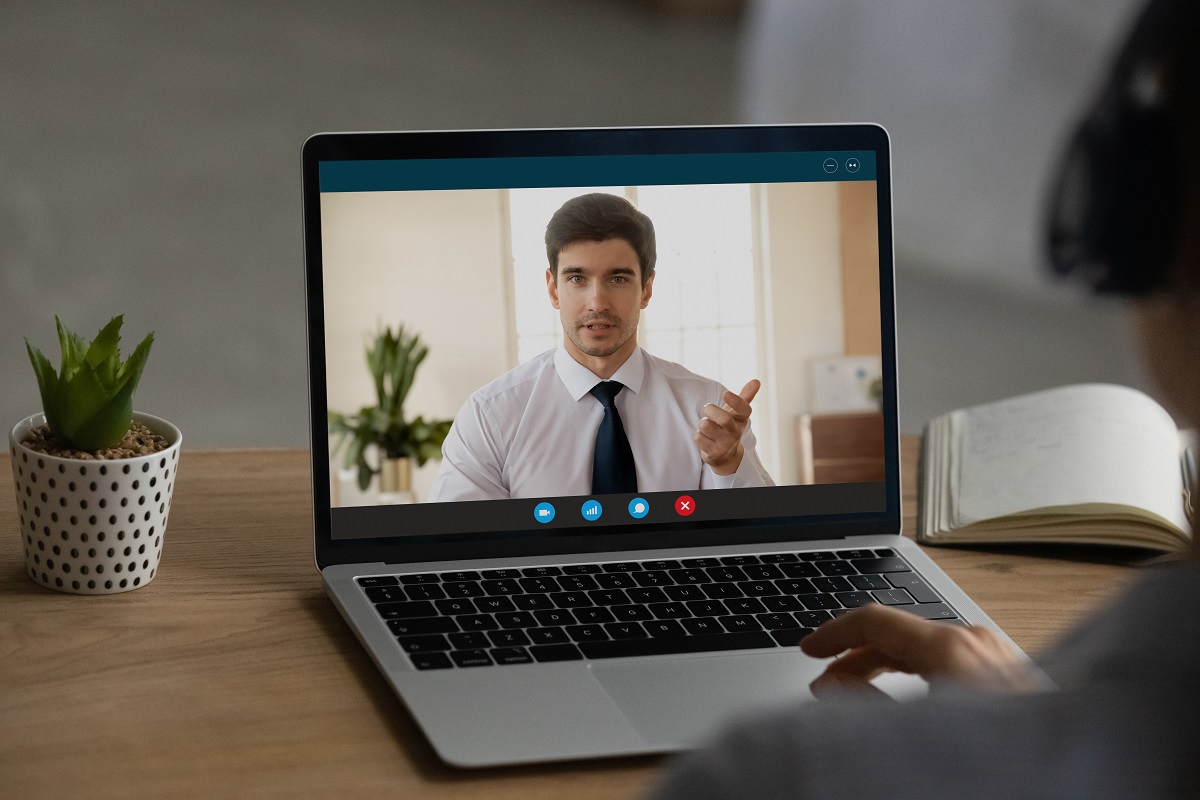
Remote high ticket closers specialize in communicating with warm leads who have already expressed interest in a premium product or service. Instead of cold calling random prospects, they speak only with people who have taken the first step toward a purchase, making the conversations more meaningful and goal driven. These closers follow structured calls that involve needs assessment, rapport building, objection handling, and securing a commitment. Their main role is to guide prospects into making confident decisions, ensuring the offer aligns with their goals. They use a consultative tone rather than using pressure-based tactics, which helps build trust and credibility. Closers also track calls, manage CRM entries, and coordinate with setters and marketing teams. When done effectively, this role becomes not just a job but a long-term, income-generating career in the world of online business.
Industries Offering Opportunities for Remote High Ticket Closing Jobs
Many industries have discovered the importance of hiring professional closers, especially those that sell premium-priced services. The online coaching industry, for example, relies heavily on closers to convert leads for fitness coaching, business mentorship, mindset programs, and high-level masterminds. Software companies also utilize closers to explain complex SaaS solutions that require personal consultation before purchase. Digital marketing agencies often sell large service packages that must be explained through personalized conversations. Real estate investment groups, luxury service providers, and elite membership-based businesses all rely on skilled closers as well. Because these industries operate digitally, the demand for remote high ticket closing jobs continues to expand. This gives job seekers plenty of opportunities to secure long-term roles in diverse fields.
Core Skills Needed to Thrive as a Remote High Ticket Closer
Thriving in remote high ticket closing jobs requires a blend of emotional intelligence, communication expertise, and structured sales technique. Closers must be excellent listeners who can read verbal cues, identify hidden objections, and build genuine rapport within minutes. They need to master the art of consultative selling, which focuses on guiding prospects rather than forcing decisions. Confidence is essential because prospects rely on closers to help them evaluate major investments. Strong organizational skills are also required to manage schedules, update CRM systems, and handle follow-ups effectively. Self-discipline becomes especially important since closers work remotely and need to maintain productivity without supervision. With these core skills, a closer can build a career that continues to grow even in competitive markets.
Subhead: Key Tools Used by Remote High Ticket Closers
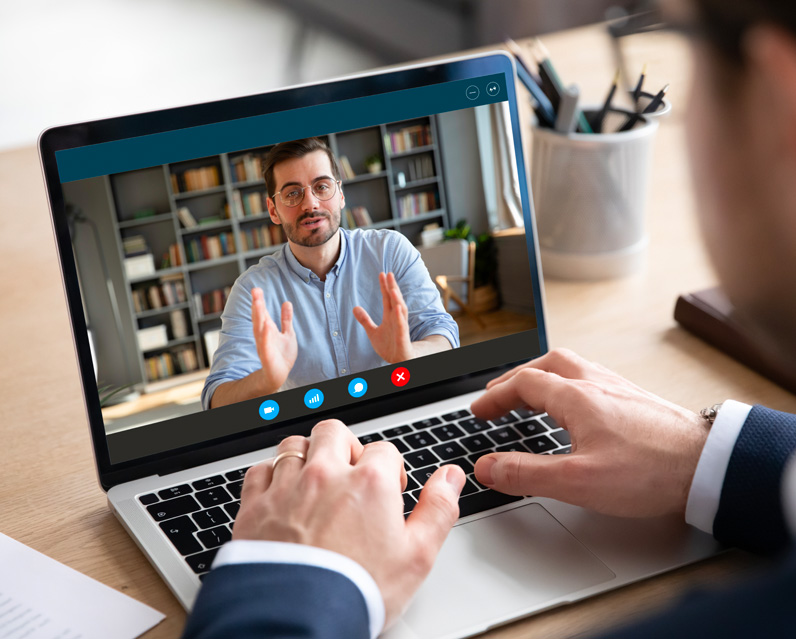
Remote high ticket closing jobs require a reliable toolkit to support efficiency, communication, and organization. Video meeting platforms like Zoom and Google Meet allow closers to conduct face-to-face consultations with prospects around the world. CRM systems such as HubSpot, GoHighLevel, or Salesforce help track leads, manage data, and analyze closing performance. Calendar tools streamline scheduling and prevent overlapping appointments. Digital note-taking apps allow closers to organize call scripts, talking points, and follow-up reminders. Automation tools assist in sending reminders, handling lead status updates, and improving workflow efficiency. When combined, these tools make remote selling smooth, professional, and productive.
Useful Tools Closers Commonly Rely On
- CRM dashboards for tracking all call activities
- Video meeting software for conducting sales calls
- Calendaring platforms for scheduling smooth appointments
- Online notepads and digital folders
- Automation tools for reminders and follow-ups
How to Start a Career in Remote High Ticket Closing Jobs
Building a career in remote high ticket closing jobs begins with developing strong communication skills and understanding how premium sales conversations work. Many beginners start by studying foundational sales principles from online courses, mentors, or apprenticeships within sales organizations. Practicing role plays and mock calls helps sharpen real-world performance and boosts confidence during live calls. Creating a sales-focused resume that highlights communication strengths, customer interactions, or previous sales experience can increase job opportunities. Networking inside online communities, Facebook groups, and LinkedIn can help beginners connect with coaches, agencies, and hiring managers looking for closers. Consistent practice and ongoing learning ensure that a beginner can transition into a fully capable closer ready to handle high-quality leads. With persistence, anyone can enter this lucrative field and grow their skills over time.
How to Identify Legitimate Remote High Ticket Closing Opportunities
It is essential to understand how to spot real opportunities in remote high ticket closing jobs because the online space can attract misleading offers. A legitimate company always has a clear product, proven demand, and supportive onboarding systems to help new closers succeed. Real organizations provide structured commissions, transparent expectations, and training materials. A reliable employer will never require a closer to pay before starting work, which is a common red flag. The product should be something you genuinely believe in, making the selling process more authentic and effective. Checking reviews, exploring testimonials, and researching founders can help confirm credibility. When you choose reputable opportunities, your sales career becomes more stable and rewarding.
What Top-Performing Remote High Ticket Closers Do Differently
Top closers stand out because they approach each call with confidence, empathy, and strategic communication. They focus on understanding the prospect’s deeper motivations instead of rushing into a pitch. These closers personalize conversations to make prospects feel valued and understood. They have well-developed follow-up systems that keep warm leads engaged without creating pressure. They analyze their metrics, track win ratios, and consistently refine scripts to stay aligned with industry standards. Their commitment to growth allows them to outperform average closers regardless of market conditions. By developing habits similar to these high performers, new closers can significantly improve their results.
Earning Potential and Long-Term Paths in Remote High Ticket Closing
One of the biggest attractions of remote high ticket closing jobs is the earning potential, which often surpasses traditional office income. Many closers earn commissions ranging from 10 to 20 percent per sale depending on the company and offer price. This means one closed deal can generate earnings equal to a full month’s salary in some careers. Over time, experienced closers can transition into leadership roles such as sales team manager, head of closing, or remote sales director. Some even start their own closing agencies or training programs. The career path is scalable because it rewards performance rather than tenure. With dedication and consistency, closers can build long-term careers with increasing financial stability.
FAQ
What is the difference between a setter and a closer?
A setter warms up leads by scheduling calls, while a closer handles the actual sales conversation and final commitment.
Can beginners start in this career?
Yes, many people with no experience begin with training, mentorship, and consistent practice.
How much can a closer earn?
Income varies widely, but many closers earn four to five figures monthly depending on commissions and call volume.
Do companies require previous experience?
Some do, but many are open to beginners who show strong communication skills and willingness to train.
Which businesses hire closers the most?
Coaching programs, SaaS companies, marketing agencies, real estate groups, and online service providers.
Is this profession stable long-term?
Yes, as long as premium digital offers exist, demand for skilled remote closers will remain strong.
Takeaway
Remote high ticket closing jobs provide a powerful opportunity for individuals who want flexibility, strong income potential, and a meaningful career in digital sales. The role rewards communication excellence, dedication, and the ability to guide motivated prospects toward informed decisions. With the right skills, tools, and understanding of the industry, anyone can build a thriving remote closing career that grows year after year.